A life shaped by wealth, duty, and social change
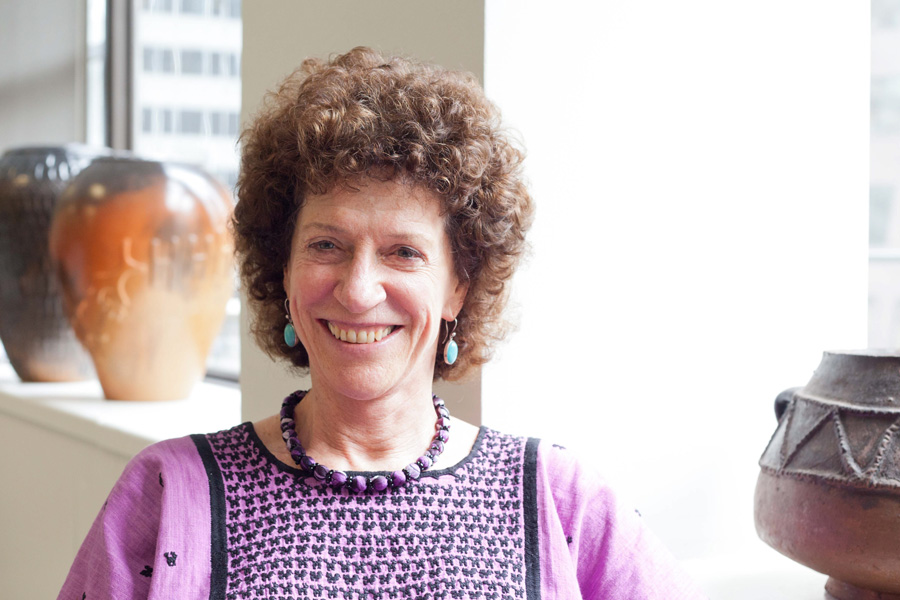
I see Peggy Dulany as a figure who moved through privilege without simply resting inside it. Born in 1947 as Margaret Dulany Rockefeller, she grew up inside one of America’s most recognizable families, yet her public work took a different shape from finance or boardroom power. She built a life around philanthropy, bridge-building, and practical idealism. That combination gives her story a sharp outline. It is not the story of a socialite drifting through inherited influence. It is the story of a woman trying to turn inherited reach into a working tool.
Her name, Peggy Dulany, carries both family history and a kind of personal distance from the Rockefeller label. The Rockefeller name is broad and heavy, like a stone arch over many generations. Peggy’s work has often been about finding the human passage beneath that arch. She founded Synergos in 1986, an organization focused on connecting people across class, sector, and geography so they can solve poverty and inequality together. The idea is simple, almost modest. The execution is not. It takes patience, trust, and an unusually steady temperament.
She studied at Radcliffe College and later completed graduate work at Harvard. Those credentials mattered, but they were not the whole engine of her life. She also worked directly with youth, community programs, and public institutions early in her career. That experience helped shape her conviction that effective philanthropy cannot just pour money into a problem and hope for rain. It must listen, adapt, and stay close to the ground.
The family she was born into
The family around Peggy Dulany reads like a map of American philanthropy, economics, conservation, and public influence.
Her father was David Rockefeller, the banker and philanthropist whose name became one of the best known in the country. He was a long-time leader at Chase Manhattan and a central figure in elite civic life. Her mother was Margaret McGrath Rockefeller, often called Peggy Rockefeller, who devoted herself to conservation and land preservation. That detail matters because it suggests Peggy Dulany came from a home where public responsibility was not decoration. It was atmosphere.
Her siblings form a remarkable circle.
David Rockefeller Jr. is her brother. He became known for business and philanthropy, especially through work with Rockefeller-related institutions. He represents one branch of the family tradition, where business leadership and civic stewardship meet.
Abby Rockefeller is her sister. She became known for ecology and feminist activism and later for projects like composting and sustainable food systems. Her path shows another form of Rockefeller inheritance, one less polished and more insurgent, like a seed cracking open stone.
Neva Goodwin is another sister. She became an economist and educator, associated with contextual economics and development thinking. Her work adds an intellectual dimension to the family constellation, showing how ideas can become public service.
Richard Rockefeller was her brother. He was a physician and philanthropist whose life ended in tragedy in 2014. His career in medicine gave the family another form of service, one grounded in care rather than capital.
Eileen Rockefeller Growald is her sister. She became deeply involved in philanthropy, education, and emotional learning, including work connected to social and emotional competence. Her life reflects the family’s recurring theme of using privilege to support systems that help people flourish.
Peggy Dulany was married to David Quattrone, and they had one son, Michael Dulany Quattrone. Michael later became chair of the David Rockefeller Fund and took part in continuing the family’s philanthropic structure. In a family like this, one generation does not simply end and another begin. The branches keep carrying sap.
Her grandparents were John D. Rockefeller Jr. and Abby Aldrich Rockefeller. That pair matters because it places Peggy within a larger dynasty of money, art, and civic influence. John D. Rockefeller Jr. carried the industrial legacy of the Rockefeller name, while Abby Aldrich Rockefeller was a major patron of the arts and a force in cultural life. Through them, Peggy inherited not just wealth but a long habit of public shaping.
Synergos, leadership, and the art of connection
Synergos is Peggy Dulany’s greatest achievement. A faith bridge, not steel. Synergos, founded in 1986, brings together people from different worlds to fight poverty and alter society. Governments, corporate leaders, communities, philanthropists, and local organizations meet or talk.
This method went beyond abstraction. Her time in Brazil taught her that those closest to a problem understand it best but have the least power. That principle underpinned her work. She didn’t view poverty as a top-down problem. She viewed it as a relationship issue, connection failure, and network repair.
Her father and her formed the Global Philanthropists Circle in 2001. That circle allowed significant funders to share strategies and learn from one other rather than operating independently. Later, she and David Rockefeller launched Stone Barns Center for Food and Agriculture in 2004. Philanthropy, agriculture, and sustainability were integrated in that initiative to reflect the family’s interest in long-term societal systems.
Youth employment and education, UN, Ford Foundation, and NEA consultation, and New York City Partnership service were also part of her career. Each phase shows patterns. As a strategist and activist, she moves differently. Like a translator, she turns power into access and access into action.
Finance, philanthropy, and influence
The finance narrative of Peggy Dulany is not about trading floors or quarterly profitability. About stewardship. Family foundations, philanthropic networks, and organizations that make donating wiser and more permanent have exploited her wealth and influence.
She led or was a trustee of the Rockefeller Foundation and Rockefeller Brothers Fund. These positions indicate how she has shaped her own path while being part of the family’s philanthropic infrastructure. No single river represents the Rockefeller tradition. Deltas branch into multiple channels. Peggy Dulany widened several.
Her emphasis on relationship above spectacle in fundraising is significant. That matters. Money may be a horn. Peggy’s model is quieter. It sounds like seats being brought closer together and people finally hearing each other in a busy room.
Recent public presence and continued relevance
In recent years, Peggy Dulany has remained visible in philanthropy circles through awards, interviews, and institutional events. In 2025 and 2026, she was discussed in connection with Synergos events, leadership awards, and conversations about collaborative capital and trust. That ongoing presence shows that she is not merely a historical figure inside a famous family. She remains active in the living present of global philanthropy.
What stands out to me is that her public image still centers on listening, humility, and bridge-building. Those words can sound soft, but they are not weak. Bridges are built under pressure. They must hold weight from both sides.
Family members at a glance
| Family member | Relationship to Peggy Dulany | Public role or identity |
|---|---|---|
| David Rockefeller | Father | Banker, philanthropist |
| Margaret McGrath Rockefeller | Mother | Conservationist, land preservation advocate |
| David Rockefeller Jr. | Brother | Businessman, philanthropist |
| Abby Rockefeller | Sister | Ecologist, feminist activist |
| Neva Goodwin | Sister | Economist, educator |
| Richard Rockefeller | Brother | Physician, philanthropist |
| Eileen Rockefeller Growald | Sister | Philanthropist, educator supporter |
| David Quattrone | Former husband | Business figure |
| Michael Dulany Quattrone | Son | Chair of the David Rockefeller Fund |
| John D. Rockefeller Jr. | Grandfather | Heir, philanthropist |
| Abby Aldrich Rockefeller | Grandmother | Art patron, philanthropist |
FAQ
Who is Peggy Dulany?
Peggy Dulany is an American philanthropist and the founder and chair of Synergos. She is also a Rockefeller family member and has spent decades working on poverty, leadership, and social collaboration.
Why is she important?
I would describe her importance as both personal and institutional. Personally, she built a distinct philanthropic identity. Institutionally, she helped shape networks that connect wealthy donors, grassroots leaders, and public actors around long-term social change.
How is she connected to the Rockefeller family?
She is the daughter of David Rockefeller and Margaret McGrath Rockefeller. She is also the sister of David Rockefeller Jr., Abby Rockefeller, Neva Goodwin, Richard Rockefeller, and Eileen Rockefeller Growald.
What is Synergos?
Synergos is the organization Peggy Dulany founded in 1986. It works to reduce poverty and inequality by building trust and collaboration across different sectors and communities.
Did Peggy Dulany work only in philanthropy?
No. Early in her career, she worked with youth programs, consulting organizations, and civic institutions. Those experiences helped shape the practical style of her philanthropy.
Does the Rockefeller family still matter today?
Yes, in several ways. The family remains tied to philanthropy, education, conservation, finance, and civic leadership. Peggy Dulany is one of the members who helped carry that legacy into a more collaborative, modern form.