Entering the World of Henrietta South Park
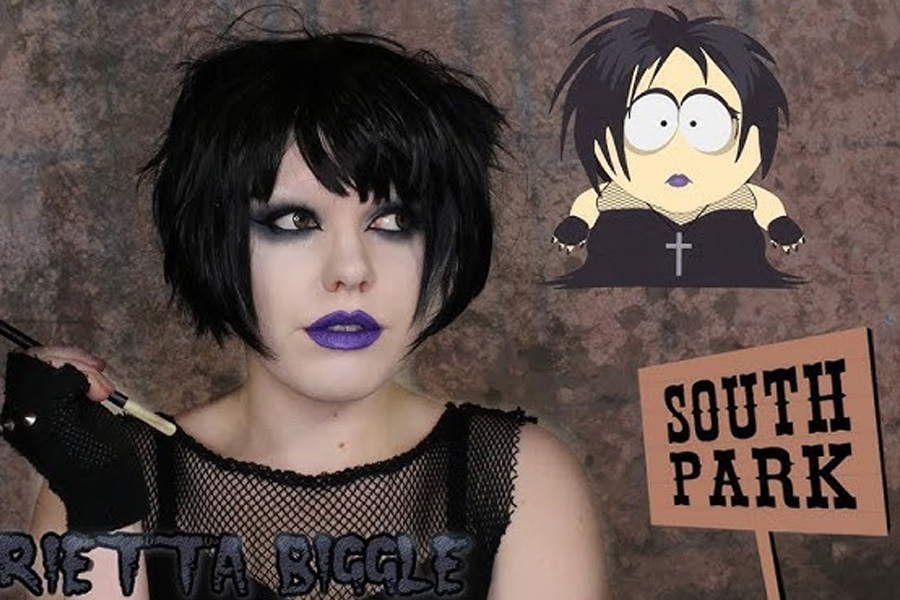
Henrietta South Park sticks out like a black rose in a field of neon flowers when I consider South Park’s most enduring side characters. She isn’t loud in the conventional sense. She doesn’t use disruption or ridiculousness to seek attention. Rather, she draws me in with a subdued intensity, a poetic melancholy that is both heightened and somehow familiar. She made her debut in the Raisins episode in 2003 and immediately established herself as the Goth Kids’ most prominent female voice.
She is more than a parody, in my opinion. She is a mirror of nihilism and eyeliner-covered teenage revolt. The darkness of her remarks stands in stark contrast to her gentle, even dreamy tone. Her charm resides in that contradiction.
A Goth Identity Built on Irony
Henrietta embodies the classic goth archetype, but she does so with a twist. When I listen to her speak, I hear a blend of Valley Girl softness and gothic despair. It is like listening to someone describe a thunderstorm in the tone of a sunny afternoon. That contrast makes her unforgettable.
She writes poetry filled with pain, talks about existential dread, and rejects anything she labels as conformist. Yet her delivery often feels light, almost casual. I find this duality fascinating. It suggests that her identity is both deeply felt and performative, like a costume she refuses to take off even when it no longer fits perfectly.
Her place within the Goth Kids group is equally important. Alongside Michael, Pete Thelman, and Firkle Smith, she forms a tight-knit circle defined by shared disdain for mainstream culture. I see them less as outcasts and more as a self-contained world, a small island of darkness in a bright and absurd town.
Life Inside the Biggle Household
When I examine Henrietta’s family life, I notice a tension that feels both exaggerated and relatable. Her home is not abusive in any conventional sense, yet she experiences it as suffocating. This disconnect creates much of the humor and emotional texture around her character.
Harriet Biggle
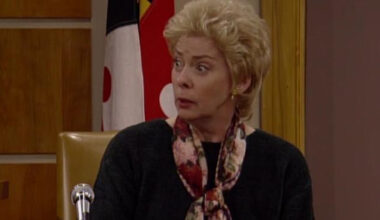
Her mother, Harriet Biggle, represents warmth and normalcy. Harriet offers cookies, smiles, and encouragement. From the outside, she appears kind and attentive. But through Henrietta’s eyes, she becomes something entirely different. I hear Henrietta describe her with dramatic insults, turning simple acts of care into symbols of oppression.
This dynamic fascinates me. It feels like watching two people speak entirely different emotional languages. Harriet sees a phase. Henrietta sees a prison.
Mr Biggle
Her father brings a slightly stricter energy into the household. He is more openly frustrated with Henrietta’s behavior, especially when her rebellion disrupts the family’s routine. I notice that over time, his character softens. In later appearances, he seems more relaxed, even approachable.
This shift suggests a subtle evolution. While Henrietta remains firmly rooted in her identity, her father begins to adapt. It creates a quiet balance, even if Henrietta refuses to acknowledge it.
Bradley Biggle
Bradley Biggle, her adoptive younger brother, adds another layer of chaos. He is revealed to be an alien, which perfectly matches the absurd tone of the show. Their relationship feels like a constant tug of war.
At times, Bradley fears Henrietta. At others, he imitates her, adopting elements of her goth persona in a way that feels both mocking and admiring. I see this as a sibling rivalry filtered through satire. He challenges her identity while also proving its influence.
Relationships Beyond Family
Outside her home, Henrietta’s strongest connections lie with the Goth Kids. I imagine their gatherings in her bedroom as a ritual of shared alienation. They drink coffee, write poetry, and reinforce each other’s worldview.
Romantic relationships are notably absent from her story. Instead, her energy is directed toward maintaining her identity and opposing anything she considers mainstream. She interacts with other children mostly through conflict, especially when dealing with groups like the so-called conformists or the vampire kids.
Her involvement in events like the Cthulhu cult highlights another aspect of her personality. She is willing to explore extreme ideas, but she also abandons them when they fail to deliver meaningful change. This reveals a surprising level of self-awareness beneath her dramatic exterior.
Talents, Activities, and Achievements
Henrietta does not have a career in the conventional sense as a fourth-grader. However, she gains a distinct set of achievements within the show’s universe.
She plays keyboard in the band Goth Kids’ satirical song about talent showcases. This moment, in my opinion, is particularly illuminating. It demonstrates her willingness to engage while also making fun of the activity she is taking part in.
Poetry, dance, and even esoteric knowledge are among her gifts. She exhibits knowledge of dark symbols and rituals, frequently employing them as means of expression rather than sincere belief. She occasionally engages in humorous criminal activity, such as car theft or arson. Her character is pushed into exaggerated territory in these instances without losing sight of who she is at her heart.
She plays a more active part in video games. She uses skills related to healing and black magic, which makes her a strong supporting character in my opinion. These features, which combine fantasy and humor, support her reputation as a gothic witch.
Voice and Personality as Performance
One of the most striking aspects of Henrietta South Park is her voice. When I listen carefully, I notice how it shapes everything about her. The softness, the rising intonation, the almost casual delivery all contrast with the darkness of her words.
This performance creates a layered character. She is not just a goth girl. She is a parody of goth culture, a commentary on teenage identity, and a surprisingly endearing figure all at once.
The transition between voice actresses over time does not disrupt this effect. Instead, it maintains continuity while refining her tone. Her voice remains instantly recognizable, like a signature that never fades.
Cultural Presence and Fan Appeal
Henrietta continues to have a consistent presence in fan culture even in the absence of significant narratives that are solely focused on her. She is frequently referred to as a goth icon, praised for her style and outlook.
Fans reimagine her character in novel ways, swap quotations, and produce artwork. Rather than being fueled by a lot of television time, her popularity seems to come naturally from her unique nature. She is a symbol of a particular type of youthful rebellion that appeals to all age groups.
Timeline of Key Moments
| Year | Event |
|---|---|
| 2003 | Debut in Raisins |
| Mid series | Participation in Goth Kids storylines and talent show |
| Later episodes | Emo transformation and return to goth identity |
| Video game era | Playable ally with magical abilities |
| Post Covid special | Appearance as an adult with evolved style |
FAQ
Who is Henrietta South Park
Henrietta South Park is a recurring character in the animated series South Park. She is a fourth grade student and a central member of the Goth Kids group, known for her dark aesthetic and poetic personality.
What makes her personality unique
Her personality blends gothic themes with a surprisingly soft and casual speaking style. This contrast creates humor and depth, making her both a parody and a relatable figure.
How does she interact with her family
She has a strained relationship with her parents, especially her mother, whom she criticizes despite her kindness. Her father shows frustration but gradually becomes more understanding. Her relationship with her brother is chaotic and competitive.
Does she have any special talents
Yes, she writes poetry, performs music, and demonstrates knowledge of occult themes. In video games, she also uses magical abilities as a support character.
Why is she popular among fans
Fans appreciate her distinctive voice, aesthetic, and the irony of her character. She represents a stylized version of teenage rebellion that remains both humorous and memorable.